

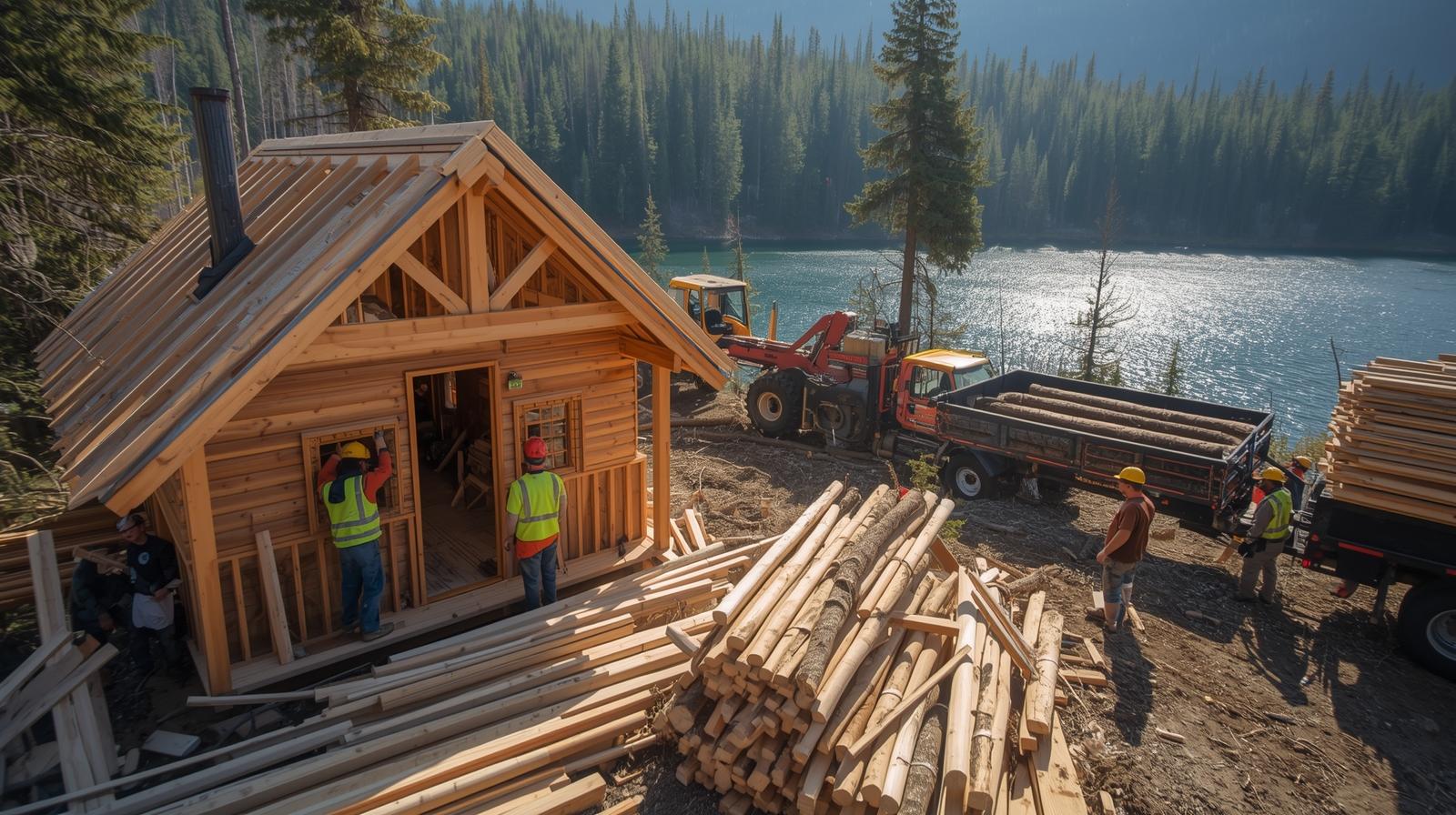
The Canadian construction sector is contending with Tariffs, Timber & Tenacity in a Convoluted Construction Realm, a formidable convergence of pressures intensified by U.S. import duties on steel, oil, and lumber. These compounding constraints are undermining sustainable procurement ambitions and compelling industry leaders to recalibrate sourcing frameworks amid volatile markets and escalating environmental imperatives.
The Strain Between Trade Barriers and Sustainability
The strain between punitive cross-border tariffs and Canada’s sustainability aspirations has reached a disquieting threshold. As builders strive to embed eco-conscious procurement practices, U.S.-imposed levies on foundational materials wreak havoc on cost structures and project feasibility. Steel tariffs destabilize long-range budgeting. Lumber duties jeopardize project sequencing. Oil-linked restrictions inflate transportation and manufacturing expenditures. Together, these disruptions impede the creation of durable, low-emission supply chains.
Simultaneously, as sustainable procurement becomes an uncompromising mandate—driven by national climate obligations and rising demand for decarbonized materials—the tariff-laden environment presents an inescapable paradox. Organizations must pay increasingly exorbitant prices for environmentally preferable materials while justifying these escalations to clients expecting fiscal prudence.
The March Toward Diversified, Convoluted Supply Networks
Moreover, the sector’s obligatory shift toward diversified and resilient supply networks is itself convoluted. Procurement teams must navigate tariff turbulence, timber scarcity, and a constellation of operational quandaries that threaten predictability. Although Canadian innovators are offering eco-forward material alternatives, the transition remains labyrinthine rather than linear.
Domestic producers are not immune to global commodity oscillations or the intricate certification requirements tied to sustainable materials. As a result, the pursuit of greener sourcing demands both tenacity and strategic sophistication.
Procurement Evolution in an Era of Relentless Flux
Consequently, procurement leaders must evolve with extraordinary agility. Legacy purchasing frameworks—built for more stable epochs—collapse under the weight of trade impediments, timber constriction, and procurement crosswinds. Advanced scenario modelling, multidimensional cost-risk analytics, and enterprise-wide governance are no longer aspirational; they are indispensable.
Public-sector projects, beholden to sustainability mandates yet burdened by static budgets, face intensified friction. Private-sector builders encounter parallel dilemmas, balancing ecological integrity with financial volatility in a market where uncertainty is the norm rather than the exception.

Forging a Pragmatic Yet Visionary Path Forward
Ultimately, enduring Tariffs, Timber & Tenacity in a Convoluted Construction Realm requires a multidimensional recalibration. The industry must embrace procurement modernization, digital intelligence, and integrated orchestration through P3M methodologies. These approaches empower organizations to anticipate volatility, optimize resource allocation, and cultivate procurement ecosystems capable of withstanding prolonged turbulence.
Resilience is no longer incidental; it must be architected with foresight, governance, and operational precision.
Mobilize Your Organization for Strategic Resilience
If your organization is grappling with the compounding pressures of tariffs, material volatility, and sustainable procurement obligations, decisive action is imperative. Blackbeez Consulting provides advanced P3M solutions that fortify procurement ecosystems, enhance organizational adaptability, and empower construction leaders to prosper amid perpetual uncertainty. Visit www.blackbeez.com to begin your transformation and secure long-term resilience in Canada’s evolving construction landscape.
